Maintaining a healthy lifestyle is essential for anyone running a virtual online business.
Here’s why!
New solopreneurs, influencers, bloggers, content creators, and virtual business owners often work long hours, and taking care of their health can significantly impact their business success.
Every successful business owner understands the motivation to complete what they begin. But there’s a downside that anyone running an online business recognizes.
Including exercise, like cycling, can help prevent burnout and promote a more positive outlook on life.
Having multiple outlets that include proper meal planning, exercise, and a popular favorite such as cycling, can be be key to preventing burnout and maintaining a positive daily outlook when running your online business, making it more vibrant.
Why it’s a fan favorite.
Cycling, or biking, is the act of riding a bicycle for exercise, transportation, or simply for enjoyment. It’s a straightforward way to stay active, manage weight, and get outside, so it’s no wonder people of all ages love it.
You might see folks riding through city streets, pedaling across quiet country roads, or joining a local cycling group. There’s a style of cycling for nearly everyone, no matter your skill level or what you’re after.
Many people choose cycling because it’s gentle on the joints and easy to get started with. You can boost your mood, fitness, and health without beating up your body.
Whether you’re commuting a short distance or chasing adventure on new trails, cycling lets you enjoy movement and the outdoors on your own terms.
Fundamentals of Cycling
Getting started with cycling means understanding the various bike types, selecting the right gear, and mastering the basics. Matching your bike and equipment to your needs makes the whole experience smoother, and you’ll want to get comfortable with safety and handling as well.
Types of Bikes
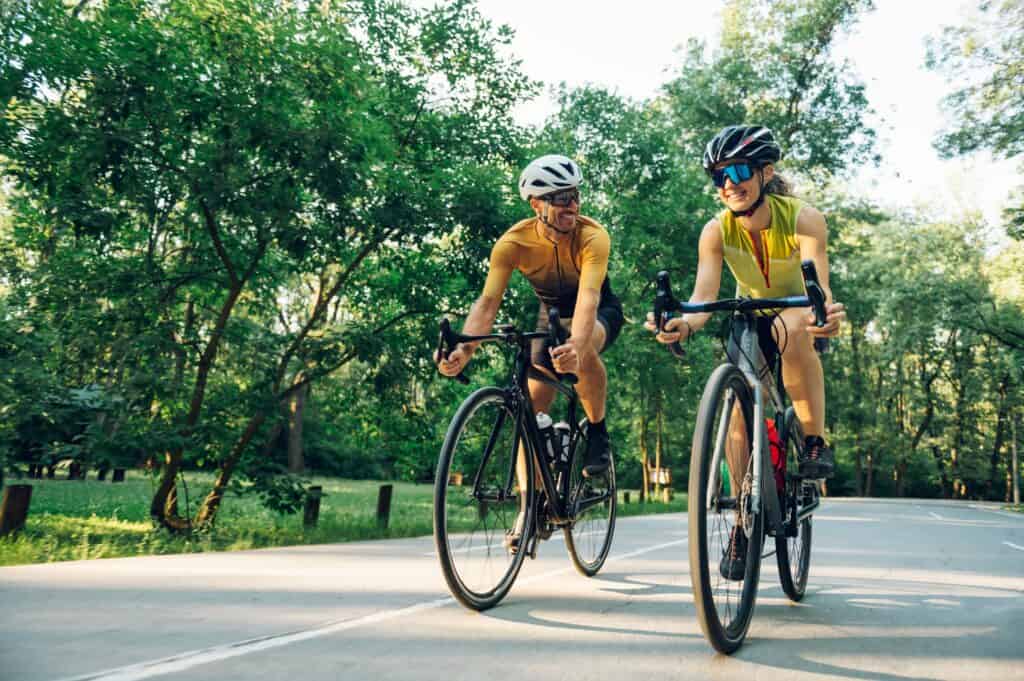
There are a variety of bikes for different types of rides. Road bikes are designed for speed on pavement, featuring skinny tires and lightweight frames.
Mountain bikes come equipped with thick tires and sturdy frames, making them ideal for trails and rough terrain. Hybrid bikes mix features from road and mountain bikes, making them comfy and versatile.
BMX bikes are small yet tough, making them great for tricks or quick races on short tracks. Cruiser bikes prioritize comfort and are ideal for leisurely, easygoing rides.
Honestly, it’s best to pick a bike that fits how and where you want to ride. The right match makes every outing better.
| Bike Type | Best For | Main Features |
|---|---|---|
| Road bikes | Paved roads, speed | Thin tires, lightweight |
| Mountain bikes | Trails, rough terrain | Wide tires, strong frame, shocks |
| Hybrid bikes | Mixed surfaces | Medium-width tires, upright frame |
| BMX bikes | Tricks, short races | Small frame, durable wheels |
| Cruiser bikes | Leisure, comfort | Wide seat, upright handlebars |
Essential Gear and Equipment
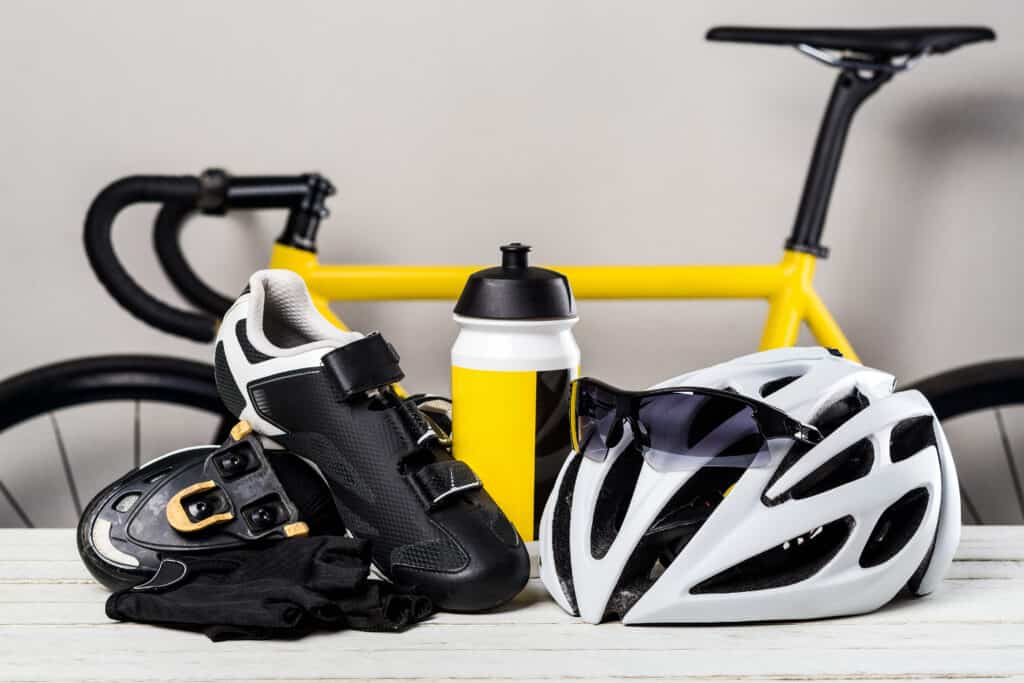
The right gear makes a big difference in comfort and safety. A good helmet is a must—it protects your head, plain and simple.
Bright clothing helps drivers and others spot you, especially in high-traffic areas. Padded cycling shorts can save you from chafing and soreness on long rides.
It’s smart to carry basic repair tools, such as a tire lever, a spare tube, and a mini pump, just in case you get a flat tire. Gloves not only prevent blisters but also give you a better grip.
If you’re riding at night or in dim light, front and rear bike lights are key so others can see you. Don’t forget to bring water bottles or a hydration pack to stay hydrated, especially when it’s hot outside or you’re riding for a long distance.
A solid lock keeps your bike safe when you leave it somewhere. Bells or horns help you alert people when you’re passing by or coming up behind them.
Basic Riding Techniques
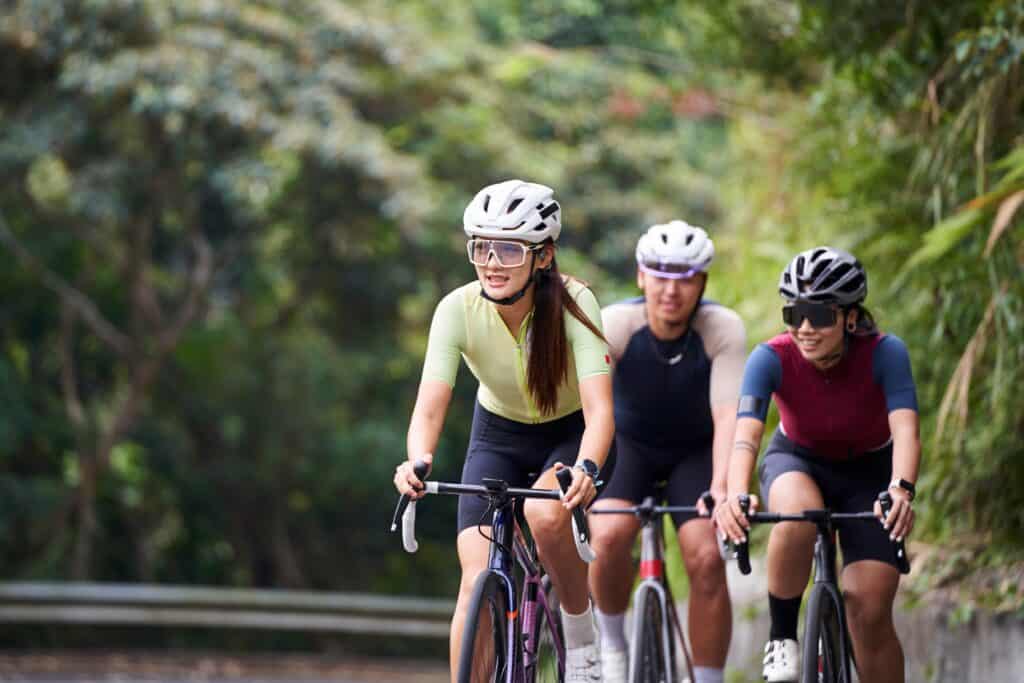
Learning the basics helps you ride safer and with more control. Keep your back straight but relaxed, and hold the handlebars lightly with your fingers close to the brakes.
Look ahead, not down, so you can spot obstacles and changes in the road. Shift gears before you hit a hill to make pedaling easier.
When you turn, lean the bike a bit while keeping your body upright, which helps you stay balanced. Use hand signals to show turns, and always check behind you before moving over.
Brake with both brakes and do it gradually to avoid skidding. On climbs, staying seated and keeping a steady pace helps you save energy.
The more you practice, the more confident you’ll feel—and honestly, that’s when cycling gets fun.
Biking for Fitness and Lifestyle
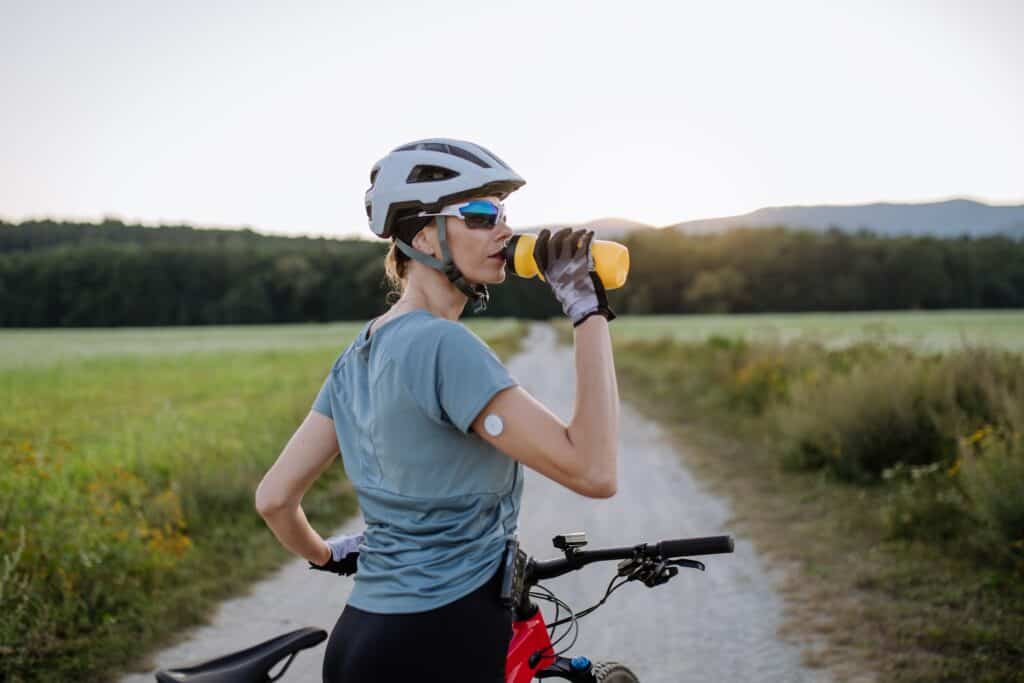
Biking isn’t just about getting from point A to B. It’s a mix of healthy movement, convenience, and just pure enjoyment.
It’s accessible for most people, whether you’re aiming for fitness or want a new way to get around.
Health Benefits of Biking
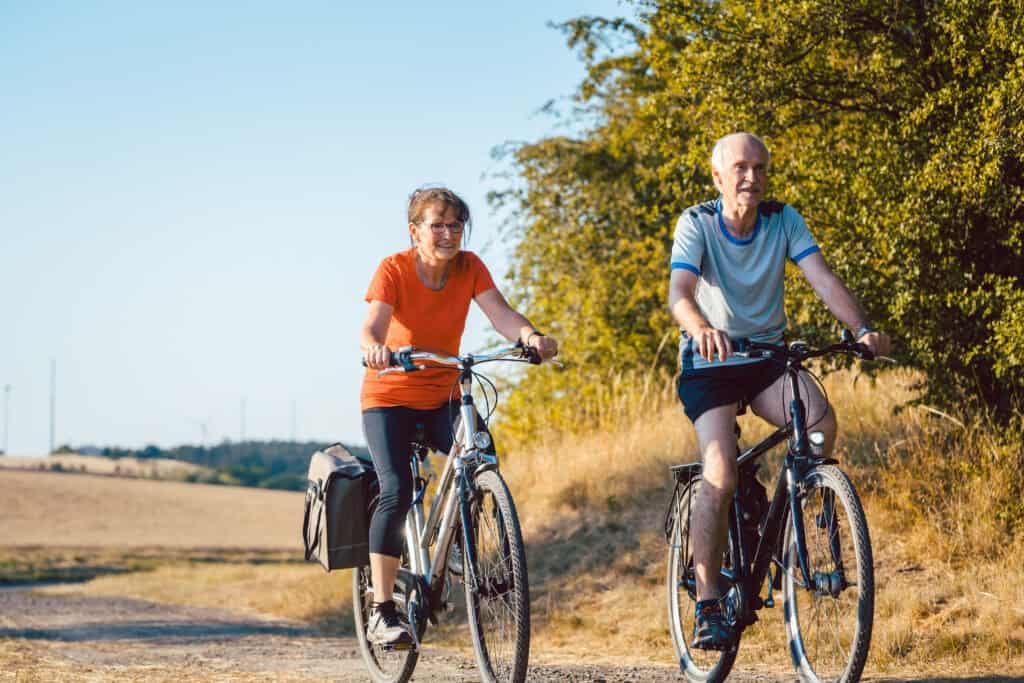
Biking is gentle on your body but still builds endurance and muscle, especially in your legs and core. It helps your heart by improving circulation and lowering blood pressure.
You’ll burn calories, making it a solid choice for weight management. Since it’s easier on your joints than running, beginners and folks with aches can stick with it longer.
Cycling is a great way to improve balance, coordination, and flexibility. Many people find it lifts their mood, eases stress, and helps with depression.
Riding outside gives you fresh air and sunlight, which can brighten your day. It can also support long-term mobility and lower your risk of chronic diseases, such as diabetes or certain cancers.
If you use your bike to get around, you’re cutting down on pollution, too. That’s a win for the environment.
Choosing Biking Routes
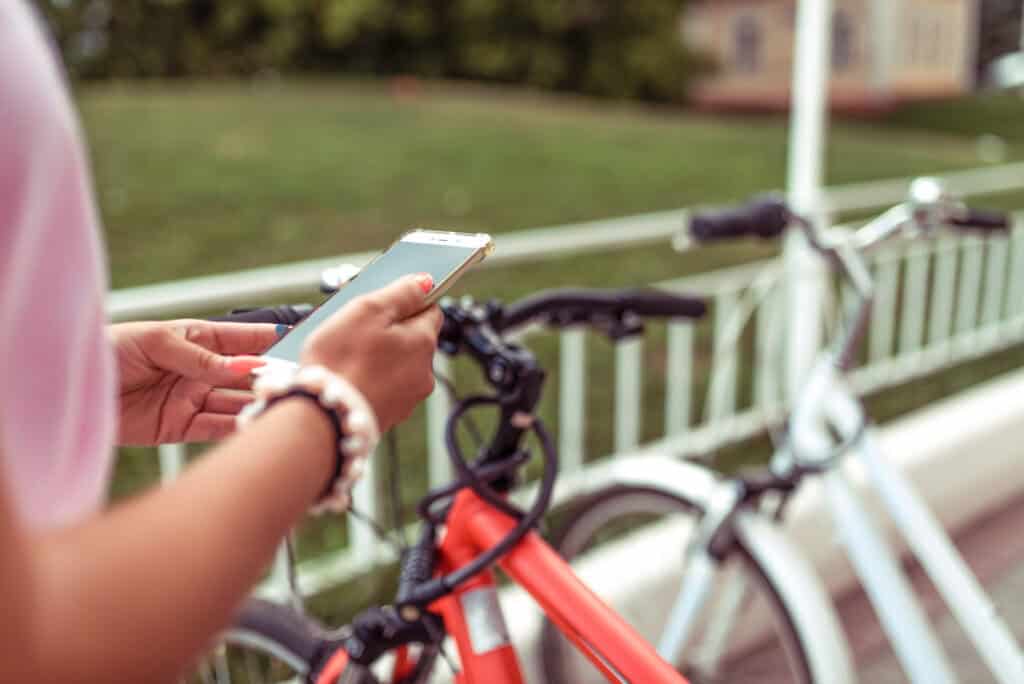
Picking a route comes down to your fitness and comfort. Beginners typically perform best on flat, paved trails with minimal traffic.
Parks and bike paths are great for learning the basics without too many surprises. If you want a more challenging experience, hilly routes help build strength quickly.
Off-road or mountain bike trails require more advanced skills, making them better suited for experienced riders. Before you head out, check if the route has good lighting, bike lanes, or traffic signals.
Some cities have interactive maps and biking apps that show the best routes for different skill levels. It’s smart to check the weather and avoid routes that are prone to flooding or strong winds.
Always bring a repair kit and water, especially if you’re planning a long ride. You never know when you’ll need them.
Cycling Safety Tips
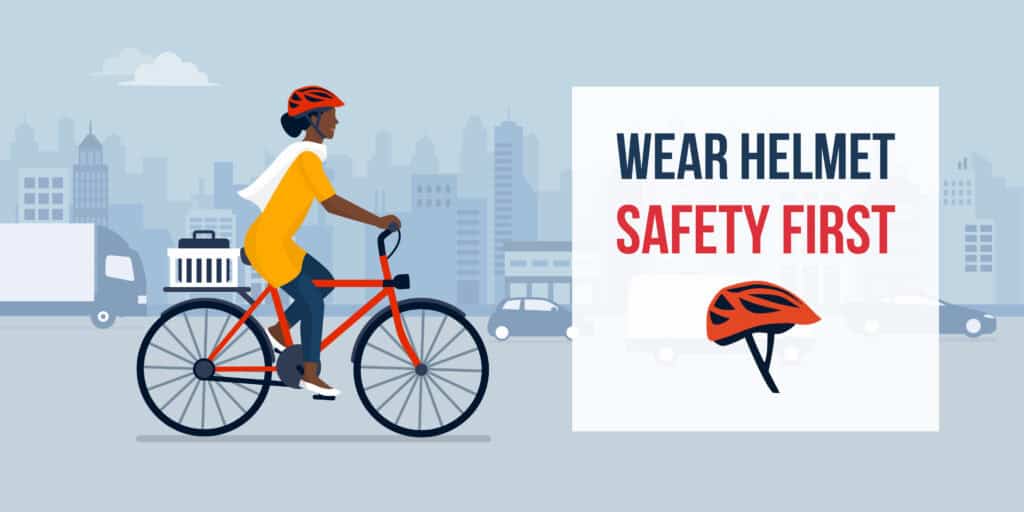
Safety really starts with your gear. A well-fitted helmet goes a long way in protecting your head if you take a spill.
Bright clothes and reflective strips help drivers spot you, whether it’s sunny or pitch black out. I’d always recommend them, even if you feel a little goofy.
Follow local traffic laws. Stop at red lights and always use hand signals when you turn.
Ride with traffic, not against it. Keep both hands ready to brake, just in case you need to stop suddenly.
Check your bike before every ride. Ensure your tires are properly inflated and your brakes are functioning properly.
Keep the chain lubed so you don’t end up stranded. If you’re out at night or in a gloomy area, turn on a front white light and a rear red light.
Stick to a single file on narrow roads. Never wear headphones; you need to hear what’s going on around you.
Stay sharp for cars, pedestrians, and random stuff on the road—potholes, gravel, you name it. It’s not always predictable out there.
Related posts:
 Unlock Your Earning Potential: A Beginner’s Guide to Increasing and Building Passive Income. Master Multiple Modern Revenue Streams.
 Side Hustle Niches That Can Generate Money – Untapped Opportunities For 2025: Emerging Trends to Boost Your Income
 How to Start a Freelance Business – The Essential Guide for New Entrepreneurs
 How to Be a Freelance Artist: Unveiling Your Path to Creative Independence