
Navigating the gig economy can be both exciting and challenging. As more people turn to freelance work and side hustles, finding reliable advice is essential for success.
Hustle Wealth Tips offers practical insights and real-life stories that guide individuals in mastering their finances while pursuing their passions.
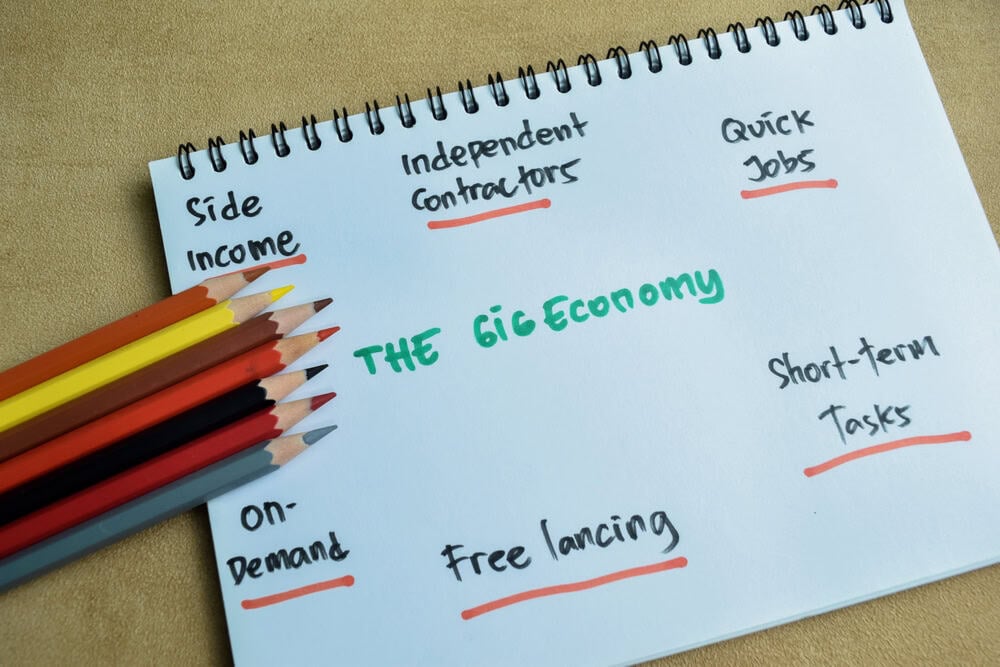
Here’s what we know. With the right strategies, anyone can enhance their earnings and manage their finances effectively.
This blog delves into the tools and resources available to freelancers, helping them build a solid personal brand and prioritize their well-being amidst the hustle.
By embracing the opportunities presented in the gig landscape, individuals can secure a stable and fulfilling financial future.
Finding Your Hustle Wealth Tips
- Freelancers can find valuable strategies to boost their income.
- Managing finances wisely is crucial for success in the gig economy.
- Building a personal brand is critical to standing out in a crowded market.
Understanding the Gig Economy

The gig economy consists of flexible, freelance work opportunities that enable individuals to earn income outside traditional job structures. Various aspects illustrate how this landscape operates and what it offers.
Defining the Gig Landscape
The gig economy includes a variety of job types, from car rental listing, ride sharing , on-demand delivery, and food delivery to freelance writing, graphic design, and so many more.
These jobs allow individuals to work on their schedule, balancing work and personal life. This model appeals to many for its flexibility and the ability to pursue multiple income streams.
Platforms like Uber, Upwork, and Fiverr have shaped how people engage with gig work, making it easier to connect talent with demand.
Gig Economy Statistics
Statistics reveal the growth and significance of the gig economy. According to recent studies, around 36% of U.S. workers participate in gig work at least once a year.
As technology advances, this sector is expected to comprise a more significant portion of the labor market. Many gig workers report positive experiences, citing better work-life balance and reduced stress from traditional jobs.
However, challenges like inconsistent income and lack of benefits also exist, highlighting the dual nature of gig work.
Pros and Cons of Gig Work
Gig work offers several advantages:
- Flexibility: Workers can choose their hours and pace.
- Diverse Opportunities: There are numerous fields to explore.
- Potential for Higher Earnings: Some freelancers earn more than traditional employees.
Yet, there are downsides as well:
- Income Instability: Earnings can fluctuate widely.
- Lack of Benefits: Health insurance and retirement plans are often unavailable.
- Job Security: There is less protection during economic downturns.
Strategies for Maximizing Earnings

In the gig economy, success often hinges on smart choices and effective tactics. Individuals can significantly boost their earnings by focusing on selecting the proper gigs, utilizing multiple income sources, and mastering negotiation.
Choosing the Right Gigs
Selecting gigs that offer the best financial returns is crucial.
It’s essential to research platforms and industries with high demand. For example, tech-related gigs often pay more than manual labor jobs.
Individuals should look for gigs that align with their skills and interests. When someone is passionate about their work, they are likely to perform better, leading to higher payments and positive reviews.
Freelancers can use job boards and networking sites to identify profitable opportunities.
Taking the time to read job descriptions and understand requirements helps avoid underpriced work.
Leveraging Multiple Income Streams
Diversifying income streams can significantly enhance earnings. Relying on a single gig can be risky due to fluctuating demand.
Freelancers can explore various opportunities, such as consulting, online courses, or selling products.
For instance, a graphic designer might take freelance projects while selling design templates online.
Identifying complementary skills can also lead to new income sources.
For instance, someone with writing skills can combine them with digital marketing services, creating more value.
Using platforms that allow users to showcase multiple skills can attract a broader client base, leading to steadier and more significant income.
Negotiation Tactics for Higher Pay
Being effective in negotiations can directly impact earnings.
Individuals should prepare by researching industry standards and knowing their worth.
Candidates benefit from being clear and assertive when discussing rates. Bringing examples of past work can strengthen their position.
Many successful freelancers outline their achievements and client testimonials.
It’s also helpful to discuss potential long-term work when negotiating. This approach can justify a higher rate, as clients often value ongoing relationships.
Lastly, practicing negotiation skills can enhance confidence. Taking courses or role-playing negotiations can prepare individuals for real-life scenarios, increasing their chances of securing better pay.
Financial Management for Freelancers

Freelancers often face unique challenges when managing their finances. Sound budgeting, saving, investment, and tax planning strategies can help them navigate irregular income and set a strong foundation for financial success.
Budgeting for Irregular Income
Budgeting is crucial for freelancers due to the variability in income.
Creating a budget based on projected earnings helps in planning expenses.
- Track Income and Expenses: Use apps or spreadsheets to log earnings and costs regularly.
- Establish a Minimum Income: Identify the lowest monthly income to cover essentials.
- Allocate Wisely: Assign funds to fixed expenses (like rent) and variable costs (like groceries and entertainment).
Freelancers could use the 50/30/20 rule: allocate 50% for needs, 30% for wants, and 20% for savings. This structure helps in maintaining financial stability even during lean months.
Saving and Investment Tips
Saving and investing wisely are essential for freelancers. An effective saving plan builds a financial cushion against lean months.
- Emergency Fund: Aim to save three to six months of living expenses. This fund can help cover essentials during slow periods.
- Automate Savings: Set up automatic transfers to a savings account to ensure consistent contributions.
- Consider Investment Options: To grow savings, explore low-risk investments, such as index funds or high-yield savings accounts.
Freelancers should regularly reevaluate their savings and investment strategies to align with their financial goals and changing circumstances.
Tax Planning and Deductions
Tax season can be daunting for freelancers. Proper planning is necessary to minimize owed taxes and maximize deductions.
- Keep Accurate Records: Maintain records of all income and expenses. Receipts and invoices should be well-organized for easy access.
- Know Deductible Expenses: Common deductions include home office expenses, business-related travel, and equipment costs.
- Estimate Quarterly Taxes: Set aside approximately 25-30% of income for tax purposes, ensuring no surprises at tax time.
Utilizing accounting tools or professional help can streamline tax preparation, making it manageable and less stressful for freelancers.
Tools and Resources
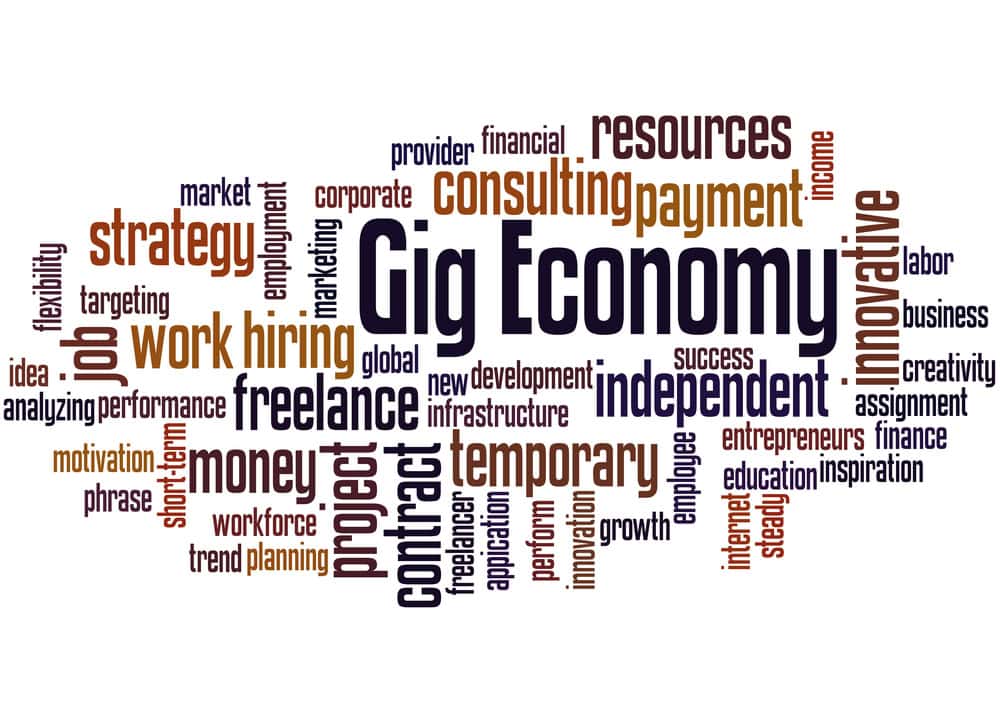
In the gig economy, having the right tools and resources can make a significant difference. Practical tools support financial management, time tracking, and continuous learning, enabling individuals to enhance their productivity and success.
Accounting and Invoicing Software
Using accounting and invoicing software is essential for freelancers and gig workers.
Programs like QuickBooks, FreshBooks, and Wave simplify managing finances. They can help track income and expenses, generate invoices, and manage cash flow.
QuickBooks offers automated reporting and tax calculation features. FreshBooks is known for its user-friendly interface and expense tracking. Wave is a free option that includes invoicing and accounting tools, making it great for beginners.
These tools minimize errors and save time, allowing individuals to focus on their work rather than finances. Using these software programs can help in achieving financial clarity and organization.
Time Management Applications
Time management applications are vital for gig workers juggling multiple projects.
Tools such as Toggl, Trello, and Asana help streamline tasks and monitor productivity effectively.
Toggl allows users to track time spent on various tasks, promoting accountability. Trello provides a visual board for project management, letting users see progress at a glance. Asana focuses on task assignments and deadlines, ensuring everything stays on track.
These applications feature reminders, timers, and reporting tools that enhance efficiency. By implementing these resources, individuals can better allocate their time, increasing their overall output and success.
Educational Resources for Continuous Learning
Continuous learning is crucial for staying competitive in the gig economy.
Online platforms like Coursera, Udemy, and LinkedIn Learning offer various courses to enhance skills.
Coursera partners with universities to provide accredited courses in various fields. Udemy offers affordable options for practical skills, from graphic design to digital marketing. LinkedIn Learning focuses on professional development, including leadership and productivity training.
Engaging with these resources encourages personal growth and adaptability. Individuals can hone their skills and increase their value in the marketplace by investing time in education.
Building Your Brand

Creating a personal brand is crucial for success in the gig economy. It helps individuals stand out, attract clients, and build trustworthy relationships.
To effectively build a personal brand, one should focus on developing a strong online presence and networking actively. Before going online, you can gather testimonials.
Developing a Professional Online Presence
A professional online presence is essential in today’s digital landscape. Individuals should create a clean and informative website showcasing their skills, services, and portfolio.
Platforms like LinkedIn can enhance visibility, allowing one to connect with potential clients and peers.
Social media accounts should reflect professionalism. Consistent branding across platforms reinforces credibility.
Sharing valuable content related to their field can attract attention and establish expertise. Regular updates and engagement with followers foster community and trust.
Networking for Gig Opportunities
Networking is always vital for finding new gig opportunities. Individuals should prioritize attending industry events, workshops, and online webinars.
Engaging in discussions and connecting with others can lead to valuable contacts.
Joining professional groups and forums related to their field can enhance networking efforts. Actively participating and sharing knowledge helps build a positive reputation.
Following up with connections regularly is essential to nurture relationships and stay informed about potential gigs.
Gathering Testimonials and Referrals
Gathering testimonials and referrals boost a personal brand’s credibility.
Individuals should ask previous clients for feedback after completing projects. A simple email or message requesting a testimonial can be effective.
Having positive testimonials featured on a website or social media enhances trust. Additionally, satisfied clients can provide referrals, often leading to new opportunities.
Maintaining relationships with past clients is beneficial, as repeat business also contributes to brand strength.
Health and Wellness

Maintaining health and wellness is crucial for long-term success in the gig economy. Stress management, work-life balance, and healthcare access are vital elements for gig workers to thrive in their careers.
Stress Management in a Gig Economy
The gig economy can create unique stressors. Uncertainty in income and job stability can lead to anxiety and burnout. The following strategies can help manage stress effectively:
- Set Clear Boundaries: Define work hours to create a distinct separation between personal and professional time.
- Practice Mindfulness: Techniques like meditation and deep-breathing exercises can reduce anxiety levels.
- Stay Organized: Use tools and apps for task management to reduce chaos and improve productivity.
Regularly assessing stress levels ensures workers can adjust their routines and environments.
Importance of Work-Life Balance
Maintaining a healthy work-life balance is essential for gig workers to prevent burnout. They can enhance productivity and job satisfaction by prioritizing time for family, hobbies, and rest. Here are key points to consider:
- Schedule Downtime: Include breaks and leisure activities in daily schedules to recharge mentally and physically.
- Limit Overcommitment: Accept only as many gigs as can be handled without sacrificing quality and personal well-being.
- Utilize Tools: Scheduling apps can help manage time better and leave space for personal interests.
Recognizing the signs of imbalance early on can help workers adjust their commitments promptly.
Accessing Healthcare as a Gig Worker
Healthcare access can challenge gig workers, as they often need employer-provided benefits. It’s essential to explore available options:
- Marketplace Insurance: Many gig workers can find affordable insurance tailored to their income levels through government marketplaces.
- Health Savings Accounts (HSAs): These allow for tax-free savings for medical expenses, which can ease the financial burden.
- Preventative Care: Regular check-ups and screenings can help identify health issues early on, reducing future healthcare costs.
Finding the right healthcare plan can offer peace of mind and support a worker’s overall health.
Future of Gig Work

The gig economy continues to evolve, presenting new opportunities and challenges. As technology advances and cultural shifts occur, the landscape of gig work is transforming. Here are vital aspects shaping its future.
Emerging Trends
The gig economy is witnessing various emerging trends that reshape how people engage in work.
Remote work is becoming more common, allowing workers to connect with clients globally.
Digital platforms for gigs, from ridesharing to freelance design, are rising.
Moreover, some gig workers form collectives or cooperatives, thereby increasing bargaining power. Data-driven tools to manage projects and payments are also gaining traction.
These changes will enable efficiency and better job matching, increasing job satisfaction among gig workers.
Creating Sustainable Gig Careers
Creating a sustainable gig career requires careful planning and management. Gig workers need to diversify their income streams and avoid reliance on a single source.
This can be achieved by engaging in multiple platforms or offering various services.
Additionally, continuous skill development is crucial.
Online courses or workshops can enhance skills relevant to market demands. Building a personal brand through social media and networking helps workers establish credibility.
Maintaining a solid reputation can lead to repeat business and referrals, which are vital for long-term success in gig work.