
Embarking on an e-commerce business journey doesn’t necessarily require a warehouse brimming with products. As a budding Amazon seller, you can leverage models like dropshipping and Amazon’s FBA program to launch a thriving online store without needing to handle physical inventory.
Starting an Amazon FBA business or engaging in Amazon’s dropshipping can significantly lower startup costs and minimize the risks associated with inventory management. With Amazon’s extensive network and increased visibility, you’re able to reach international customers and build customer trust more effectively.
Efficient marketing strategies are paramount, as they complement the logistics framework provided by Amazon, allowing you to focus on other aspects of your business, such as product selection and customer engagement, all with minimal upfront investment.
The Essentials of Selling on Amazon Without Inventory
When a customer places an order through your Amazon listing, either you handle the shipping through dropshipping, or the supplier ships the product directly to the customer. This inventory-less model requires an initial investment primarily focused on setting up your online presence and mastering the use of relevant keywords to reflect customer preferences. As you scale your business, the need for physical storage space remains negligible, allowing you to grow without the financial burden of traditional inventory management.
Understanding the Dynamics of Inventory-Free Selling
Inventory-free selling on Amazon revolutionizes the traditional retail model, offering flexibility and adaptability to sellers. Without the need to purchase and store goods, sellers can test different markets and products with ease. This model is especially advantageous for those looking to start a business with limited capital, as it eliminates the need for a significant initial outlay on stock, while still providing access to Amazon’s vast customer base.
The Role of Third-Party Fulfillment Centers in E-Commerce
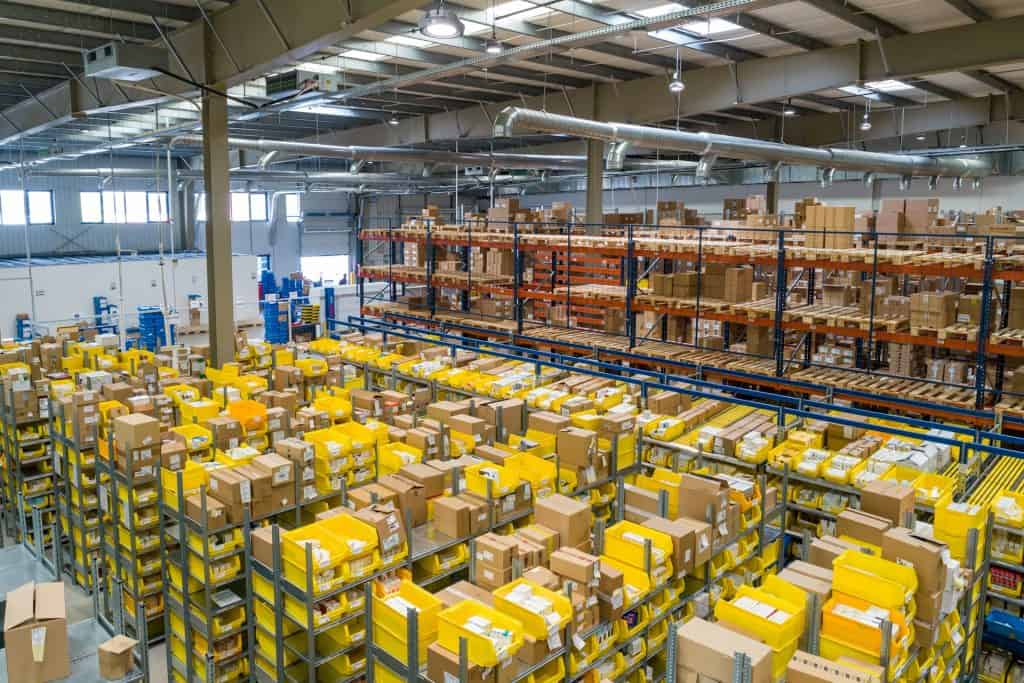
Third-party fulfillment centers are pivotal in the e-commerce landscape, offering a variety of shipping options and handling the shipping complexities. They operate as intermediaries that store, pack, and ship products on behalf of online merchants, facilitating a smoother transaction for both the seller and the buyer. This partnership allows sellers to focus on other business aspects while ensuring timely deliveries and customer satisfaction.
Setting Up a Seamless Operation Without Inventory
A seamless operation begins when a customer places an order on your online store. Without the need for an initial investment in inventory, the supplier ships the product directly, ensuring that the customer receives their purchase without you ever having to handle the product. This streamlined process is the cornerstone of selling on Amazon without inventory, allowing for a smooth transaction from sale to delivery.
Dive into Dropshipping on Amazon
Dropshipping on Amazon presents an opportunity to enter the realm of online retail without the traditional barriers of entry. By partnering with reliable suppliers and utilizing Amazon’s platform, sellers can list products without having to invest in FBA inventory, effectively minimizing risk and capital requirements.
Optimizing Your Dropshipping Strategy for Amazon Marketplace
Optimizing your dropshipping strategy for the Amazon marketplace involves selecting the right mix of products, pricing them competitively, and ensuring that your listings stand out. Consistent monitoring of customer feedback and marketplace trends can help refine your approach, leading to better sales performance and higher customer satisfaction.
Choosing the Right Suppliers for Your Dropshipping Business
In the dropshipping label business, the reliability of your suppliers is paramount, as all transactions and logistics are handled online. Establishing a network of trustworthy suppliers ensures that your products are of high quality and delivered in a timely manner, which is crucial for maintaining a positive reputation on Amazon and securing repeat customers.
The Mechanics of Print-on-Demand Services
Print-on-demand services are a perfect example of selling without inventory, allowing you to offer custom products that are created only when a customer places an order. This model relies on reliable suppliers who can guarantee customer satisfaction by producing and shipping high-quality items quickly and efficiently, thus aligning with the just-in-time production philosophy.
Picking Profitable Niches for Print on Demand Products
Finding profitable niches for print-on-demand products requires research into customer preferences and market demand. By identifying trends and underserved markets, you can offer unique items that resonate with specific audiences. This approach not only enhances customer satisfaction but also reduces storage costs, as products are created only after a customer purchases them.
Streamlining Your Design-to-Delivery Process
Streamlining your design-to-delivery process is crucial for maintaining efficiency and customer satisfaction. By optimizing each step, from the initial design of a product to its arrival at the customer’s doorstep, you create a seamless experience that encourages repeat business and positive reviews, which are vital for long-term success on Amazon.
Leveraging Amazon FBA for Inventory-Free Sales
Utilizing Amazon FBA allows sellers to operate without managing their own inventory. Products are stored in Amazon’s fulfillment centers, and the e-commerce giant handles the packing, shipping, and customer service. This model significantly reduces the complexity of logistics for sellers and can help to quickly scale a business in the vast Amazon marketplace.
How Amazon FBA Facilitates a No-Inventory Business
Amazon FBA facilitates a no-inventory business model by enabling sellers to ship their products to Amazon’s fulfillment centers. Amazon then takes care of the rest, from storage to delivery to customer service. This service allows sellers to focus on product selection and marketing, without the concerns of fulfilling customer orders themselves.
Best Practices for Managing Your Amazon FBA Listings
To sell without inventory using Amazon FBA, it’s crucial to optimize your listings. Use high-quality images and detailed descriptions to build trust with potential buyers. Keep an eye on customer feedback and reviews to identify areas for improvement. Additionally, if you’re serious about expanding your reach, consider switching to a professional plan, which provides advanced tools for managing your inventory, advertising, and analytics.
Making the Most of Amazon FBM
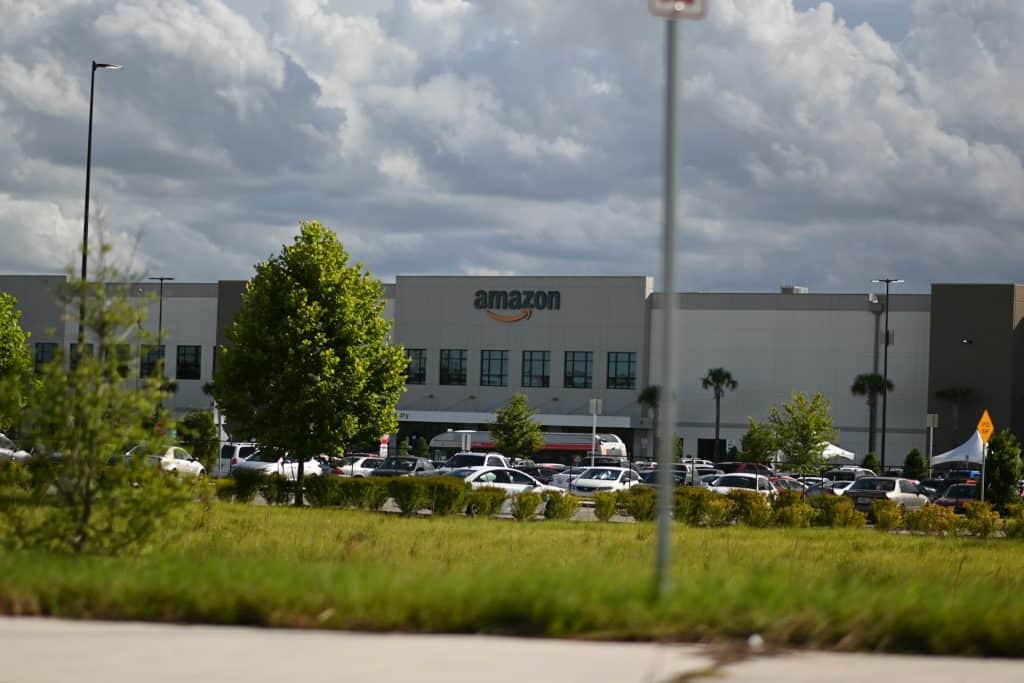
Amazon FBM offers you the opportunity to handle shipping and customer service, giving you more control over the fulfillment process. This method allows you to directly manage your customer’s experience, from the moment a customer places an order to when the product arrives at their doorstep.
Streamlining Your Amazon FBM Processes for Success
To streamline your Amazon FBM processes, establish a solid system for inventory management and order fulfillment. Use automation tools where possible to manage orders and track shipments. Additionally, ensure your customer service is responsive and helpful, as this directly affects your store’s reputation and the ability to build trust with Amazon Prime customers.
Navigating Customer Service and Returns with Amazon FBM
Effective customer service is key to success with Amazon FBM. Develop a clear return policy and be ready to address customer concerns promptly. By providing a seamless return process and excellent customer support, you’ll encourage customer loyalty and repeat business, which is vital for long-term success without holding inventory.
Kindle Direct Publishing: A Pathway to Selling Without Inventory
Kindle Direct Publishing (KDP) allows you to publish your own books and sell them on Amazon without the need for physical inventory. The customer places an order, and Amazon ships the product directly in digital form, simplifying the distribution process and eliminating the need for storage space.
Starting Your Self-Publishing Journey on Amazon KDP
Embarking on a self-publishing journey with Amazon Kindle is straightforward. You can convert your manuscript into an ebook and list it on Amazon, reaching millions of readers worldwide. The platform also provides tools to help you format your book, create a cover, and set pricing—giving you complete control over the publishing process.
Expanding Your Reach with Amazon KDP Select
Joining Amazon KDP Select can significantly increase your book’s visibility. This program offers additional promotional opportunities, such as Kindle Countdown Deals and free book promotions, which can help you reach a broader audience and boost sales. Remember, enrollment in KDP Select requires exclusivity to Amazon for your digital book sales.
Marketing Your KDP Books to Reach a Wider Audience
Marketing efforts are essential for success on KDP. Utilize strategies like social media advertising, email marketing, and Amazon’s own promotional tools to drive traffic to your book listings. Encourage customer reviews and engage with your readers to build a loyal fanbase that will help promote your work organically.
Innovative Strategies: Amazon Associates, Influencers, and Digital Content
Innovative strategies like the Amazon Associates program and the Amazon Influencer Program offer ways to earn income without holding inventory.
Becoming an Amazon Associate: Affiliate Marketing Without Inventory
As an Amazon Associate, you can earn commissions by linking to products on Amazon in your blog posts, videos, or social media. This affiliate marketing approach lets you monetize your content without managing inventory, as you simply recommend products and earn a share of the sales generated through your links.
The Amazon Influencer Program: Leveraging Social Media for Sales
The Amazon Influencer Program is tailored for social media personalities with a significant following. By sharing your favorite Amazon finds with your audience, you can drive sales and receive commissions. This program is a powerful way to monetize your influence and engage with your followers by curating a personalized storefront.
Selling Your Music and Digital Art on Amazon Platforms
If you’re a musician or digital artist, Amazon provides platforms like Amazon Music to sell your creations without the need for physical inventory. By adhering to Amazon’s guidelines, you can upload your music tracks or digital artwork for millions of Amazon customers to discover and purchase. It’s a great way to monetize your talent while bypassing the logistics of physical production and distribution.

Niche Opportunities: Online Courses, Consulting, and Amazon Accelerator
Creating niche opportunities can diversify your business on Amazon. Online marketplaces are ideal for selling specialized knowledge and expertise. Whether it’s a course on mastering Amazon SEO or effective product sourcing, there’s a demand for education in this space, and you can tap into it without maintaining any inventory.
Crafting and Selling Your Own Amazon-Related Online Courses
As an experienced seller, you can package your knowledge into online courses. Teach others how to start and scale their business on Amazon. Your courses can cover a range of topics, from the basics of setting up a seller account to advanced strategies for increasing sales and managing customer service.
Consulting Services for Aspiring Amazon Sellers
Offering consulting services can be a rewarding way to leverage your expertise. Help aspiring entrepreneurs navigate the complexities of the dropshipping model on Amazon. Your guidance could be the difference between their business thriving or struggling to find its footing in the marketplace.
Getting Involved with the Amazon Accelerator Program
For entrepreneurial spirits looking to launch their own brands, the Amazon Accelerator Program offers an opportunity to partner with Amazon. It’s a way to fast-track the growth of your private labels and gain valuable insights from Amazon’s vast resources, all without needing to manage inventory.
Exploring the Benefits of Selling Without Inventory
Selling without holding inventory on Amazon can lead to significant cost savings and business growth, offering greater flexibility to sellers.
Cost Efficiency and Risk Reduction
Selling without inventory on Amazon means you can avoid the costs of warehouse space while reducing risks associated with overstocking. You can focus on marketing and sales without worrying about unsold products taking up space and tying up capital.
Business Scalability and Global Market Access
One of the major advantages of inventory-free selling is the ability to scale your business rapidly. With access to a global market and the right strategies, you can expand your reach without the logistical constraints of managing physical products.
Addressing the Challenges of Inventory-Less Selling
While there are benefits, selling without inventory also presents unique challenges, such as ensuring consistent product quality and reliable supplier partnerships.
Supplier Reliability and Quality Control
When you’re selling without inventory, your dependency on suppliers increases. It’s crucial to establish relationships with reliable partners who can uphold your standards of quality, ensuring customer satisfaction and repeat business.
Staying Updated with Amazon’s Evolving Policies
Amazon’s policies are continually evolving, and as a seller, it’s your responsibility to stay informed. Adapting to changes in service terms, fee structures, and marketplace rules is essential for maintaining compliance and achieving long-term success.
Frequently Asked Questions
1. Can you start an Amazon FBA business with no inventory?
2. What are the minimum inventory requirements for an Amazon seller?
3. How realistic is it to earn a steady income on Amazon without inventory?
Conclusion: Positioning Yourself for Success in the World of Amazon Selling
Success in Amazon selling without holding inventory hinges on your ability to leverage the right Amazon tools, streamline packaging and shipping processes, and maintain a keen eye on market trends. Amazon provides a range of tools designed to help sellers manage their businesses effectively, from analytics to marketing support.
Ensuring that your third-party suppliers or dropshipping partners adhere to Amazon’s stringent packaging and shipping standards will help maintain customer satisfaction and minimize returns. By focusing on these critical aspects and staying adaptable to changes within the platform, you can carve out a profitable niche for yourself on Amazon, regardless of whether you have physical inventory or not.
Related posts:
 Sell on Amazon and Master E-Commerce for FBA Dropshipping Success!
 Side Hustle Pro Tips: How to Find Your Niche
 Side Hustle Niches That Can Generate Money – Untapped Opportunities For 2025: Emerging Trends to Boost Your Income
 How to Start a Freelance Business – The Essential Guide for New Entrepreneurs