
Are you dreaming of starting your own online business but feeling overwhelmed by the thought of managing inventory? What if I told you that you could sell on Amazon without ever holding a single product?
Welcome to the world of FBA dropshipping! In this guide, we’ll explore how you can leverage Amazon’s powerful platform to create a successful business, all while keeping your overhead low and your profits high.
Starting an Amazon business without inventory might seem impossible, but it’s a real opportunity for aspiring entrepreneurs. Many people make money on Amazon without storing products or dealing with shipping logistics.
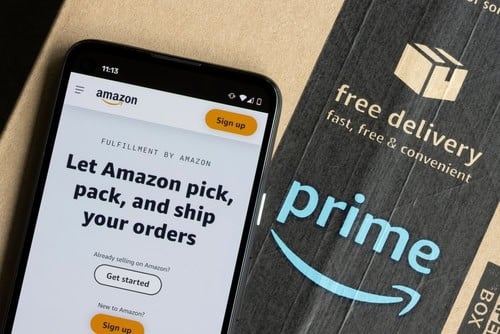
Sellers can start an Amazon business with zero inventory through methods like dropshipping, print on demand, or Amazon’s FBA partnership program. These strategies let sellers list products and make sales without keeping stock on hand.
The Amazon marketplace offers flexible options for sellers to operate their business remotely. New sellers can begin with minimal startup costs and scale their business gradually while Amazon handles storage, shipping, and customer service.
Understanding Amazon FBA

What is FBA Dropshipping?
Fulfillment by Amazon (FBA) allows sellers to store their products in Amazon’s fulfillment centers. When a customer orders a product, Amazon takes care of storage, packaging, and shipping. But what if you don’t want to buy inventory upfront? That’s where dropshipping comes in!
With dropshipping, you list products on Amazon without purchasing them until you make a sale. This means you can sell a wide range of products without the financial risk of holding inventory.
Amazon FBA (Fulfillment by Amazon) is a service that handles storage, packing, and shipping of products for sellers. This program lets entrepreneurs focus on sales while Amazon manages logistics and customer service.
The Basics of Amazon FBA
FBA works by sending products to Amazon’s warehouses. When customers make purchases, Amazon handles everything else. They pick, pack, and ship orders to buyers. Amazon also manages returns and provides 24/7 customer service.
The process starts when sellers create product listings. They send inventory to Amazon’s fulfillment centers. Each item gets tracked with unique barcodes. Amazon stores these products until sold.
Products in the FBA program qualify for Prime shipping. This increases visibility and trust with customers. Many shoppers prefer Prime items due to fast, free delivery.
Selling Without Inventory
Dropshipping through FBA eliminates the need to buy inventory upfront. Sellers partner with suppliers who ship products directly to Amazon’s warehouses. This reduces initial costs and risk.
Several methods work with this model:
- Print on demand
- Wholesale partnerships
- Private label products
- Online arbitrage
Sellers must research suppliers carefully. Quality control and reliable shipping times are essential. Good supplier relationships help maintain steady inventory levels.
Fees and Cost Structure
Standard FBA Fees Include:
- Storage fees (monthly)
- Fulfillment fees (per unit)
- Referral fees (percentage of sale)
Storage costs vary by product size and season. Items stored longer than 365 days incur long-term fees. Peak season (October-December) rates are higher.
Example Fee Breakdown:
- Small items: $2.50-$3.50 per unit
- Large items: $3.75-$5.00 per unit
- Referral fees: 8-15% of sale price
Professional seller accounts cost $39.99 monthly. This fee includes tools for inventory management and sales tracking.
Getting Started on Amazon

Starting a successful Amazon business requires careful preparation and attention to key details. A strong foundation includes proper account setup, strategic product selection, and optimized listings.
Setting Up an Amazon Seller Account
Visit Amazon Seller Central and click “Sign Up” to begin registration. Select between Individual ($0.99 per sale) or Professional ($39.99 monthly) selling plans based on expected sales volume.
The registration process needs:
- Business email address
- Credit card information
- Government ID
- Tax information
- Bank account details
Amazon reviews applications within 24-72 hours. Complete all verification steps promptly to avoid delays.
Choosing the Right Product
Research product opportunities using tools like Jungle Scout or Helium 10. Focus on items with:
Key Metrics to Consider:
- Monthly sales volume: 300+ units
- Low competition score
- Profit margin: 30%+ after fees
- Product price: $15-50 range
- Lightweight items under 5 pounds
Look for products with consistent demand and minimal seasonality. Avoid restricted categories and trademarked items.
Listing Products Effectively
Create compelling product titles with relevant keywords. Include brand name, product type, key features, and specifications.
Essential Listing Elements:
- High-quality images from multiple angles
- Detailed bullet points highlighting benefits
- Clear product descriptions
- Competitive pricing strategy
- Accurate product specifications
Use Amazon’s keyword tools to identify valuable search terms. Include these naturally throughout the listing.
Test different pricing points to find the optimal balance between sales volume and profit margins.
Optimizing Sales

Effective optimization strategies help Amazon sellers maximize their profits through smart pricing, targeted marketing, and excellent customer service.
Pricing Strategies
Setting competitive prices is crucial for success on Amazon. Sellers should regularly monitor competitor prices and adjust accordingly while maintaining healthy profit margins.
Dynamic pricing tools help track market changes and automatically update prices. A good starting point is pricing 2-3% below the main competitors while staying above Amazon’s minimum price requirements.
Key pricing tips:
- Use automatic repricing software
- Monitor top competitor prices daily
- Factor in all costs (shipping, fees, etc.)
- Test different price points to find optimal conversion rates
Marketing and Promotion
Amazon PPC (Pay-Per-Click) campaigns drive visibility and sales. Start with automatic campaigns to gather data, then create targeted manual campaigns focused on high-performing keywords.
Social media platforms like Instagram and Facebook help build brand awareness. Share product photos, customer reviews, and special offers to engage potential buyers.
Effective promotion methods:
- Amazon Lightning Deals
- Coupons and promotional codes
- Email marketing to previous customers
- Cross-promotion with complementary products
Customer Engagement
Quick response times to customer questions build trust and improve seller ratings. Most successful sellers answer messages within 24 hours.
Product listings need clear descriptions, high-quality images, and accurate details. Include common questions in product descriptions to reduce customer service inquiries.
Actively request product reviews from satisfied customers through Amazon’s request system. Address negative feedback promptly and professionally to maintain a strong seller rating.
Scaling Your Business

Growing an Amazon business without inventory requires strategic planning and data-driven decisions. The right tools and approach can help sellers expand while maintaining efficiency.
Leveraging Analytics
Amazon provides detailed metrics through Seller Central. These numbers show which products perform best and where improvements are needed.
Key analytics to track:
- Sales velocity
- Profit margins
- Return rates
- Customer reviews
- Competitor pricing
Using tools like Jungle Scout or Helium 10 helps identify market trends and opportunities. These platforms offer product research capabilities and keyword tracking.
Data analysis guides inventory decisions for suppliers. Regular monitoring helps maintain optimal stock levels without direct storage costs.
Expanding Product Lines
Testing new products becomes simpler with dropshipping and print-on-demand models. Sellers can try different items without financial risk.
Product research tools highlight promising niches. Look for items with:
- High demand
- Low competition
- Good profit margins
- Minimal seasonal fluctuation
Start with products related to current offerings. This builds on existing customer trust and market knowledge.
Build relationships with multiple suppliers. Having backup options prevents stockouts and shipping delays.
Global Marketplaces
Amazon’s international marketplaces offer growth opportunities. Each region has unique customer preferences and regulations.
Popular international markets include:
- Canada
- UK
- Germany
- Japan
- Australia
Research shipping costs and import duties. Some suppliers offer direct international fulfillment.
Translation services help create listings in local languages. Professional translations improve conversion rates in non-English markets.
Navigating Challenges

Success in Amazon selling without inventory requires careful attention to several key operational aspects. Common issues have straightforward solutions when handled systematically.
Dealing With Returns and Refunds
Returns happen frequently in online retail. Sellers need a clear return policy that aligns with Amazon’s guidelines while protecting their business interests.
Dropshipping sellers should coordinate closely with suppliers on return handling. Set up a system to track return requests and process refunds promptly.
Keep detailed records of all returns, including photos and condition descriptions. This helps identify patterns and resolve disputes.
Maintain a small cash reserve specifically for processing refunds. Quick refunds lead to better customer ratings and account health.
Managing Suppliers and Partners
Create detailed agreements with suppliers covering pricing, shipping times, and quality standards. Get everything in writing.
Monitor supplier performance through metrics like shipping speed and product quality. Keep a backup list of alternative suppliers for popular items.
Use supplier management software to track orders, inventory levels, and communication. This reduces errors and saves time.
Regular check-ins with suppliers help catch problems early. Schedule monthly reviews of supplier performance and pricing.
Adhering to Amazon’s Policies
Study Amazon’s seller policies thoroughly. Then, pay special attention to rules about dropshipping and third-party fulfillment.
Keep product listings accurate and up-to-date. Also, remove items promptly when suppliers run out of stock.
Use approved shipping methods and provide valid tracking numbers for every order. Late shipments can harm seller metrics.
Monitor policy updates through Seller Central announcements. Then, make adjustments to operations quickly when rules change.
Related posts:
 How to Sell on Amazon Without Inventory: A Comprehensive Guide
 Side Hustle Niches That Can Generate Money – Untapped Opportunities For 2025: Emerging Trends to Boost Your Income
 How to Start a Freelance Business – The Essential Guide for New Entrepreneurs
 Side Hustle Pro Tips: How to Find Your Niche